 GOD EXAMINEDBible← Back to The Proof
Every wound the Old Testament opens, the New Testament heals — often with the very thing that caused it, turned inside out. The whole catalogue as one table: each row a one-line BEFORE (OT) → AFTER (NT) comparison, side by side. Click any row to expand it in place.
Your instinct — Eve's hand takes the fruit that brings death; a woman's voice (Mary Magdalene) first carries the news of life — is the Bible's signature move, named three ways: typology (an OT "type" answered by a NT "antitype"), recapitulation (Christ retraces Adam's path and reverses each defeat — Irenaeus), and the protoevangelium (Gen 3:15 — the first gospel, spoken inside the curse). Promised at the fall, paid out across the canon.
Scripture opens with a wound and closes with its healing. → A woman's hand took the fruit that brought death, so a woman's voice is first to carry the news of life (§1). → Death came through one man, so life comes through one Man, the Last Adam (§2). → Death entered at a tree, so it is undone on a tree, and a Tree of Life waits at the end (§3). → The fall happened in a garden, so the surrender and the rising happen in gardens too (§4). → A serpent's lie poisoned us, so the serpent is crushed — and even its image, lifted on a pole, heals (§5). → The ground was cursed with thorns, so the King wears thorns and the flaming sword becomes a torn veil (§6). → Pride scattered the tongues at Babel, so the Spirit gathers them at Pentecost (§7). → Waters of judgment drowned the world, so the water of baptism saves it (§8). → A brother's blood cried for vengeance, so a better Brother's blood speaks mercy (§9). → A father was asked for his only son and given a ram, so the Father gives His only Son as the Lamb (§10). → A beloved son was betrayed for silver and raised up to save his betrayers (§11). → A lamb's blood spared the firstborn, so the Lamb of God becomes our Passover (§12). → The Law at Sinai killed three thousand; the Spirit at Pentecost saved three thousand (§13). → Jonah lay three days in the deep and rose to a city of enemies, so the Son lay three days in the earth (§14). → And a dozen smaller mirrors say the same thing (§15) — read honestly, knowing which links the Bible draws itself (§16).
| § | Pattern | Before — Old Testament (the wound) | After — New Testament (the healing) | |
|---|---|---|---|---|
| §1 | The Womandeath-bringer → life-bringerPatristic NT | Eve is deceived, takes the forbidden fruit, and hands death to the world. | Mary's "yes" undoes Eve's "no"; Mary Magdalene is first to see the risen Christ and carry the news of life — in a garden, both times. | |
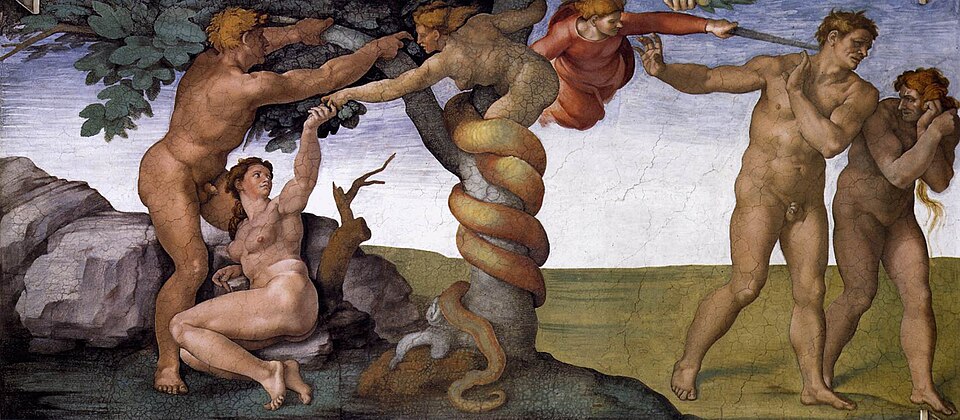
The wound · Genesis 3 A woman is deceived by the serpent, takes the fruit, and gives it to the man; through her act death enters. Named "mother of all living," she becomes the mother of all dying. Gen 3:1–6, 20 · Rom 5:12 · 1 Tim 2:14 The healing · Luke 1 & John 20 A woman's "Let it be to me according to your word" lets Life enter; and a woman is first to see the risen Christ and first sent to tell the men the news of life. Luke 1:38 · John 20:11–18
Honesty flag Eve→Mary is patristic typology — ancient and faithful to the text, but a pattern the Church perceived, not a sentence the NT writes. Magdalene as first commissioned witness, by contrast, is stated plainly in all four Gospels — NT-explicit.
In one breath: the first woman spoke and death spread; the obedient woman answered Eve's "no," and the first risen-witness spoke and life spread — same role, same garden, opposite result.
| ||||
| §2 | The Manfirst Adam → Last AdamNT | Adam grasps at being like God, disobeys at the tree, and his death passes to all. | The last Adam refuses to grasp (Phil 2), obeys unto death, and His life passes to all in Him. | |
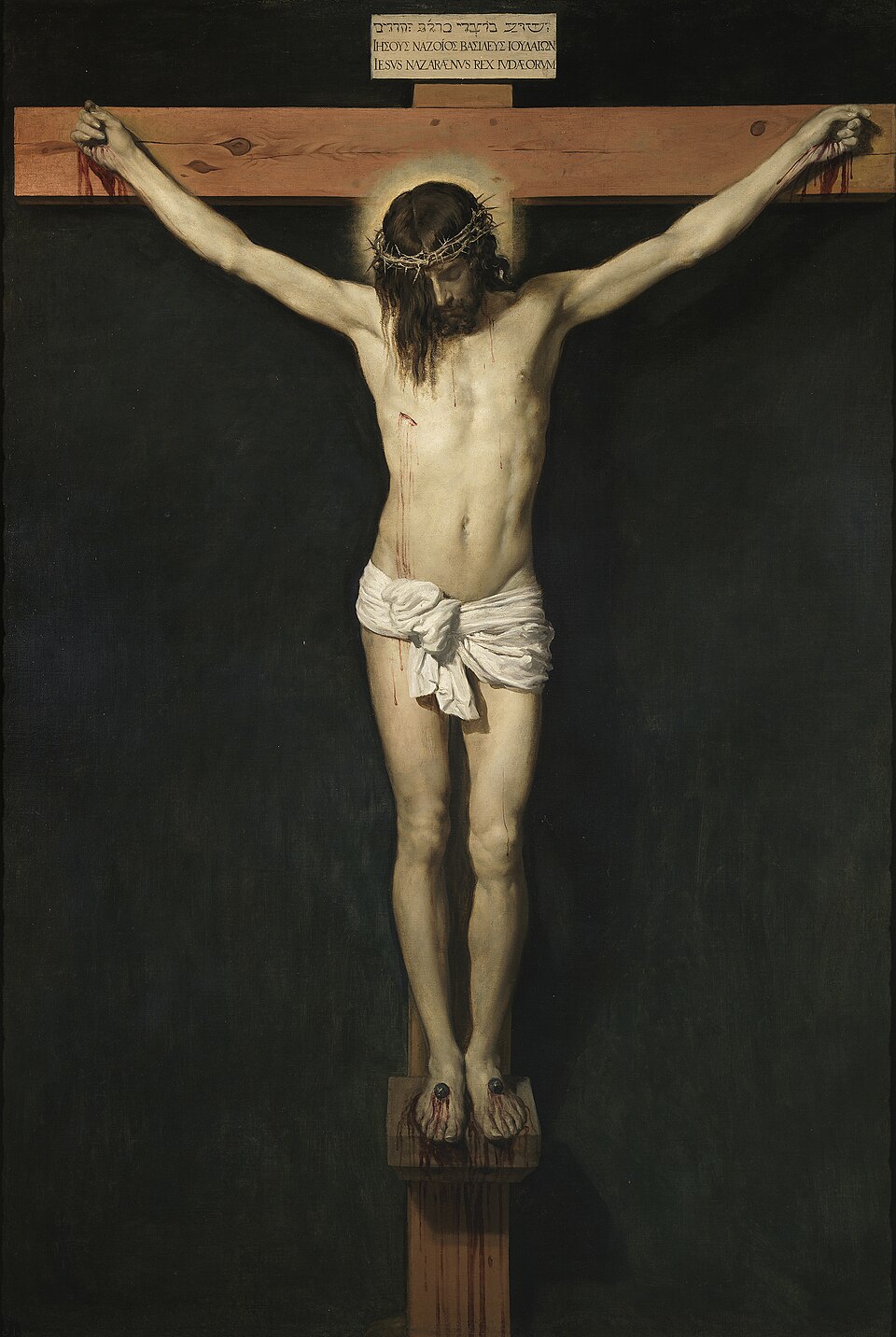
The wound · Adam The first man grasps at being "like God," disobeys at the tree, and falls — and as head of the race his death passes to all. "The first man Adam became a living being." Gen 2:17; 3:5–6, 19 · Rom 5:12 The healing · Christ The second man refuses equality with God as a thing to grasp, obeys unto death, and rises — and as new head His life passes to all in Him. "The last Adam became a life-giving spirit." Phil 2:6–8 · 1 Cor 15:22, 45 · Rom 5:19
Scripture "As one trespass led to condemnation for all men, so one act of righteousness leads to justification and life for all men." — Romans 5:18
In one breath: one man's grab for godhood sentenced the race to death; one Man's refusal to grab, obeying unto death, raised it to life.
| ||||
| §3 | The Treetree of death → Tree of LifeNT Patristic | Death comes by eating from a tree; the Tree of Life is fenced off by cherubim. | The cross is called "the tree" (Gal 3:13); Scripture ends with the Tree of Life open again, healing the nations. | |
The wound · the tree of knowledge "In the day that you eat of it you shall surely die." A tree is the instrument of the fall, and the way to the tree of life is barred. Gen 2:17; 3:22–24 The healing · the cross & Tree of Life Life comes by a death on a tree; the NT repeatedly calls the cross "the tree," and the canon closes with the tree of life restored. Gal 3:13 · Acts 5:30; 10:39 · Rev 2:7; 22:2
In one breath: a tree in Eden dealt death and the Tree of Life was fenced off; the cross — "the tree" — bore the curse, and Scripture ends with the Tree of Life open again.
| ||||
| §4 | The GardenEden → Gethsemane & the tombPatristic Devotional | In a garden Adam says "my will" and hides from God among the trees. | In a garden Jesus says "not my will but yours"; risen in a garden, He is found — taken for the gardener. | |
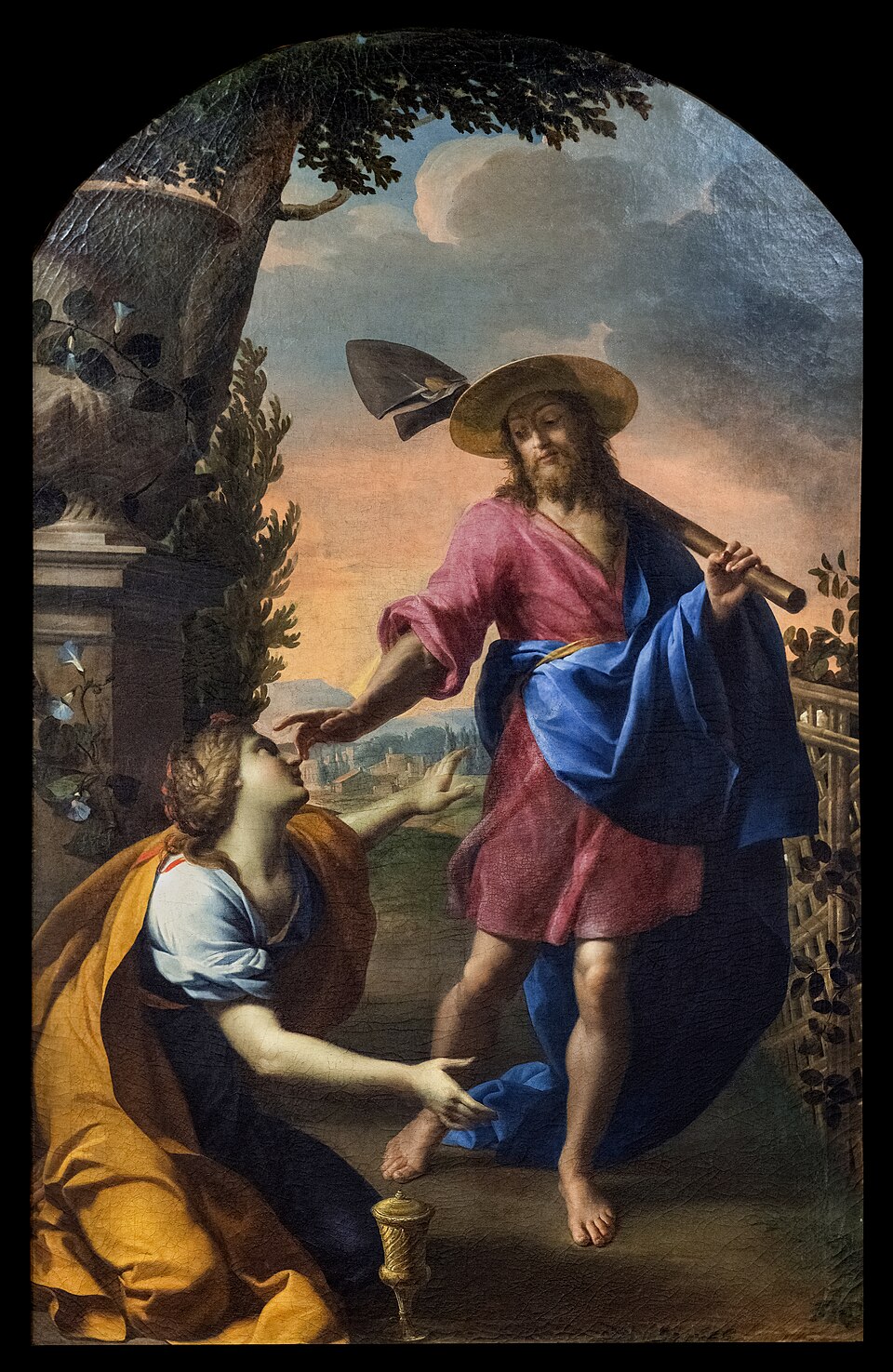
The wound · Eden In a garden the man seizes his own will against God, then hides among the trees. The garden becomes a place of disobedience, shame, and hiding. Gen 2:15–17; 3:8–10 The healing · Gethsemane & the tomb In a garden Jesus surrenders His will; in a garden He is found alive — sought rather than hiding, taken for the gardener. Luke 22:39–44 · John 18:1; 19:41; 20:15
Honesty flag That the fall, the agony, and the resurrection all occur in gardens is textual fact. That John intends "the gardener" as an Adam-echo is a strong but devotional inference.
In one breath: in a garden a man grasped his own will and hid; in a garden the Son surrendered His will, and in a garden He rose — found, and taken for the gardener of a new creation.
| ||||
| §5 | The Serpentdeceiver crushed; venom healsNT | A serpent's lie poisons the world; venomous snakes kill in the wilderness. | The serpent's head is crushed (Gen 3:15); its image, lifted on a pole, heals — as the Son is "lifted up" (John 3:14). | |
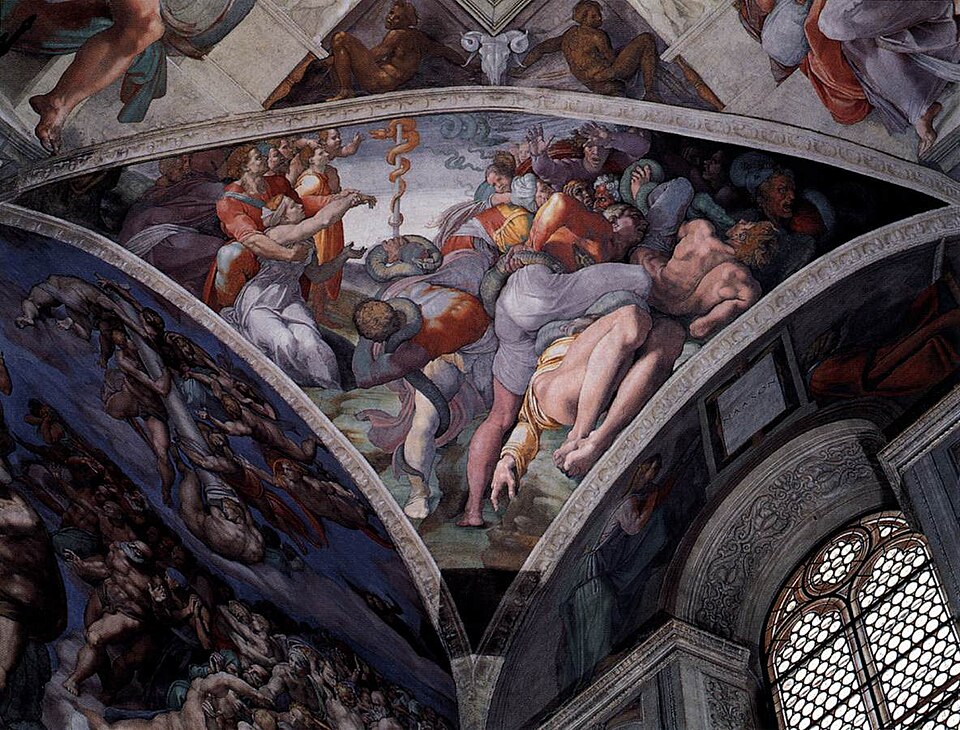
The wound · the serpent & the venom The serpent deceives and poisons; venomous snakes kill the complaining Israelites. Yet in Eden God already promises the serpent's head will be crushed by the woman's seed. Gen 3:1–5, 15 · Num 21:4–9 The healing · lifted up Moses lifts a bronze serpent on a pole; all who look live. Jesus says He will be "lifted up" the same way — and the ancient serpent is finally crushed. John 3:14–15 · Rom 16:20 · Rev 12:9; 20:2, 10
Scripture "As Moses lifted up the serpent in the wilderness, so must the Son of Man be lifted up, that whoever believes in him may have eternal life." — John 3:14–15
In one breath: the serpent poisoned the world and seemed to win, but God promised its head crushed; the venom lifted on a pole healed those who looked, and Christ "lifted up" crushes it for good.
| ||||
| §6 | The Cursethorns, sweat, dust, barred gateNT Patristic | Thorns curse the ground, man sweats and returns to dust; a flaming sword bars the way to God. | A crown of thorns, bloody sweat, resurrection, and the temple veil torn open top to bottom. | |
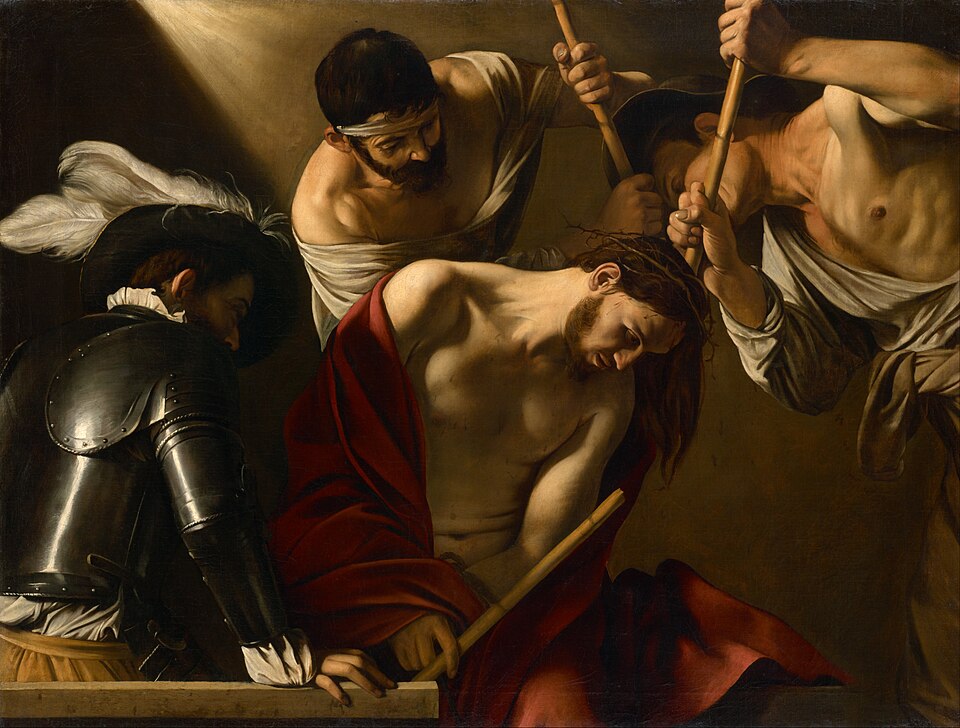
Scripture "The curtain of the temple was torn in two, from top to bottom." — Matthew 27:51 · "Cursed is everyone who is hanged on a tree." — Galatians 3:13
In one breath: thorns, sweat, dust, and a barred gate were the curse; the thorn-crowned King sweats blood, defeats the dust in rising, and tears the veil so the shut way back to God stands open.
| ||||
| §7 | Babel → Pentecostscattered → gathered tonguesPatristic | Pride builds a tower to heaven; God confuses the languages and scatters the nations. | The Spirit descends from heaven; every nation hears as one — scattering becomes ingathering. | |
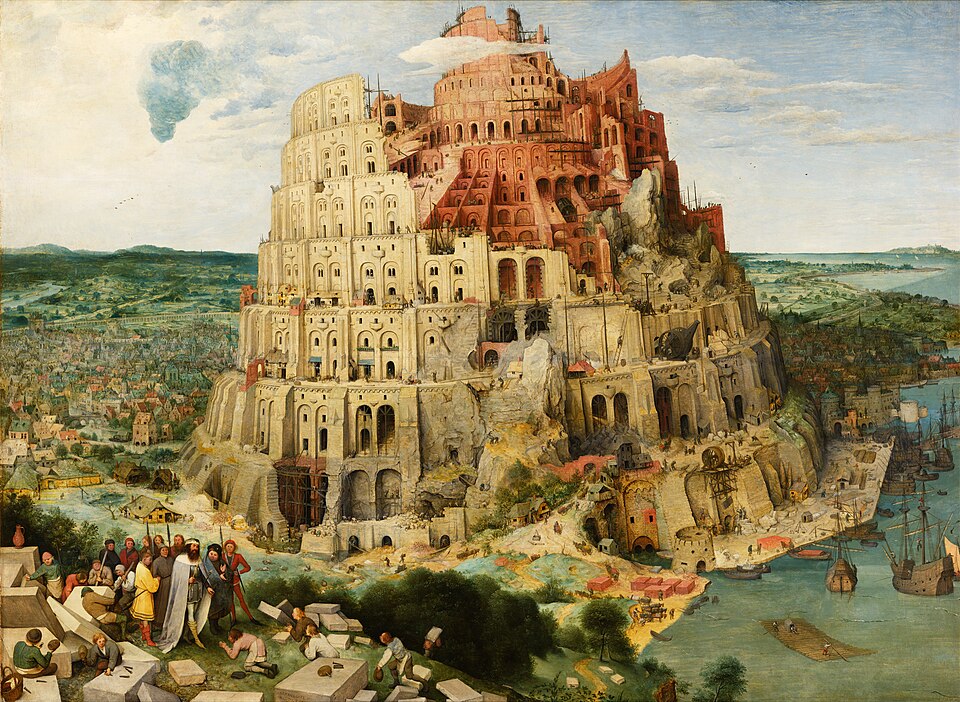
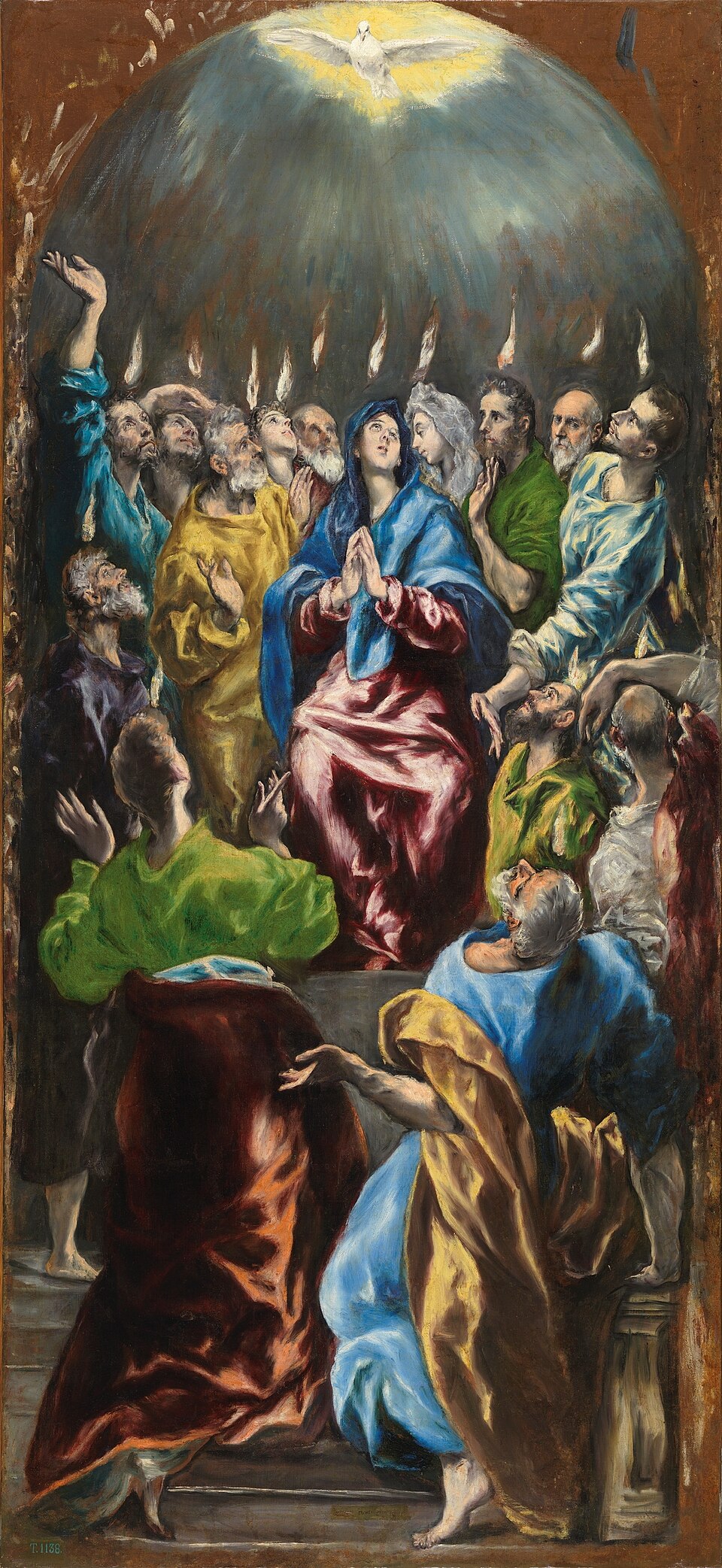
The wound · Babel Humanity, proud and unified in rebellion, builds a tower "with its top in the heavens." God confuses their language and scatters them over the earth. Genesis 11:1–9 The healing · Pentecost The Spirit descends on the believers; men "from every nation under heaven" each hear the mighty works of God "in his own language." Scattering becomes mission. Acts 2:1–11
In one breath: at Babel pride reached for heaven and God scattered the tongues; at Pentecost the Spirit came from heaven and every nation heard as one.
| ||||
| §8 | Flood → Baptismwaters of death → of lifeNT | Water drowns a guilty world in judgment. | Water now saves — baptism, the flood's "antitype" (1 Pet 3:21); the dove rests on Christ. | |
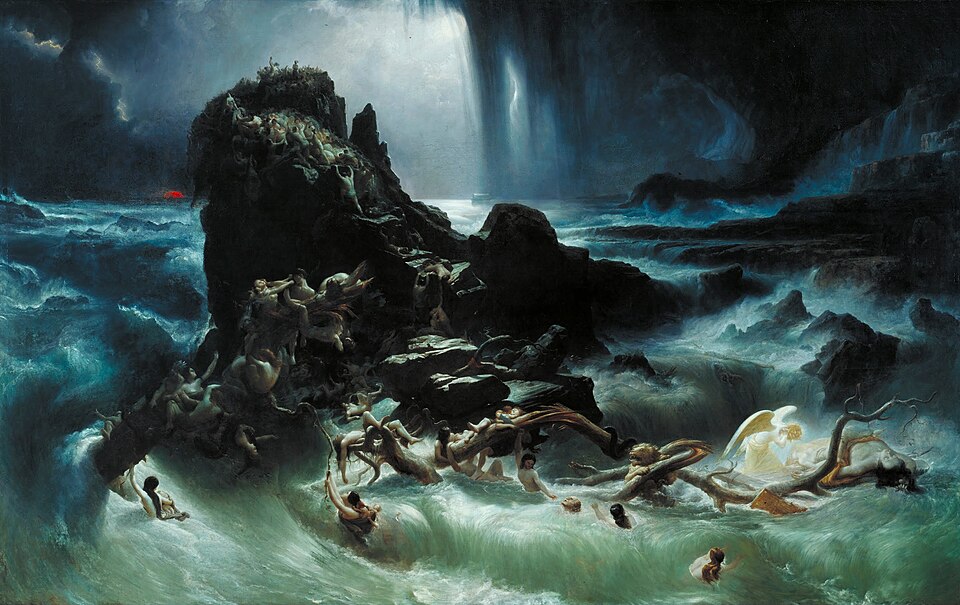
The wound · the Flood Water becomes the instrument of judgment; the flood destroys a corrupt world. Yet the same water bears the ark to a cleansed earth, and a dove returns with an olive leaf. Gen 6:5–8; 7:17–24; 8:8–11 The healing · Baptism Peter names baptism the antitype of the flood — water that "now saves you... through the resurrection of Jesus Christ." The Spirit descends "like a dove" at Jesus' baptism. 1 Peter 3:20–21 · Matthew 3:16
Scripture "Baptism, which corresponds to this, now saves you... through the resurrection of Jesus Christ." — 1 Peter 3:21
In one breath: the flood was water that drowned a guilty world; baptism — its named antitype — is water that saves, as the dove of peace rests on the One who begins the new creation.
| ||||
| §9 | Cain & Abelblood of vengeance → of mercyNT | A murdered brother's blood cries from the ground for vengeance. | Jesus' blood "speaks a better word than Abel's" — mercy for the guilty (Heb 12:24). | |
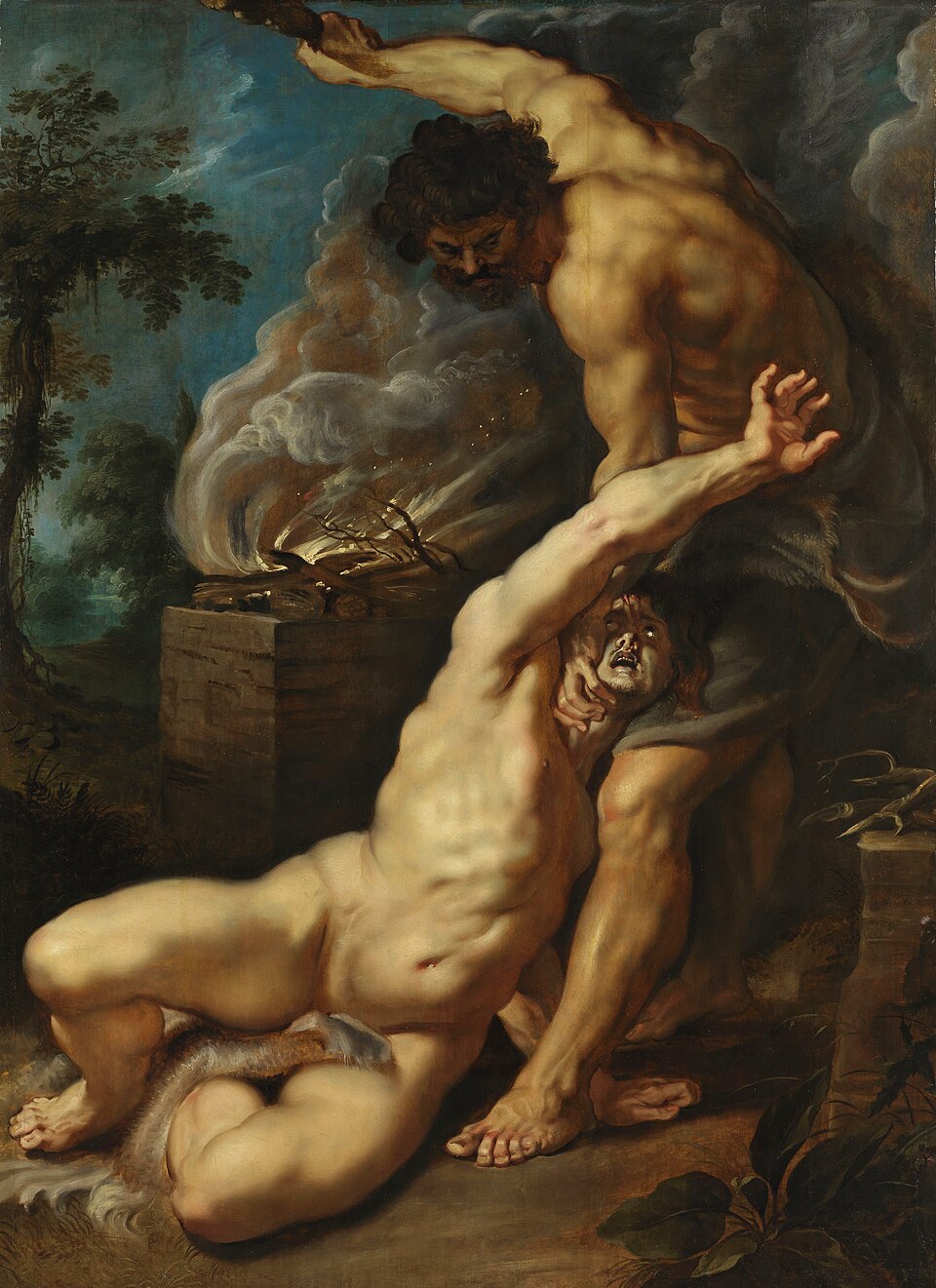
The wound · Cain & Abel The first death is a murder: Cain kills his righteous brother from envy, and "the voice of your brother's blood is crying to me from the ground." Spilled blood demands justice. Gen 4:3–10 · Heb 11:4 The healing · the blood of Jesus Jesus, the righteous Brother, is killed by His own — but His "sprinkled blood speaks a better word than the blood of Abel": not vengeance on the guilty but mercy for them. Heb 12:24 · Luke 23:34
Scripture "...and to the sprinkled blood that speaks a better word than the blood of Abel." — Hebrews 12:24
In one breath: the first brother's blood cried for vengeance; the last Brother's blood, from the mercy seat, speaks a better word — forgiveness for the very ones who shed it.
| ||||
| §10 | Abraham & Isaacthe son spared → the Son givenPatristic NT | The only beloved son is spared when a ram is substituted on Mount Moriah. | The Father's only Son is not spared — He is the Lamb God provides (John 3:16; Rom 8:32). | |
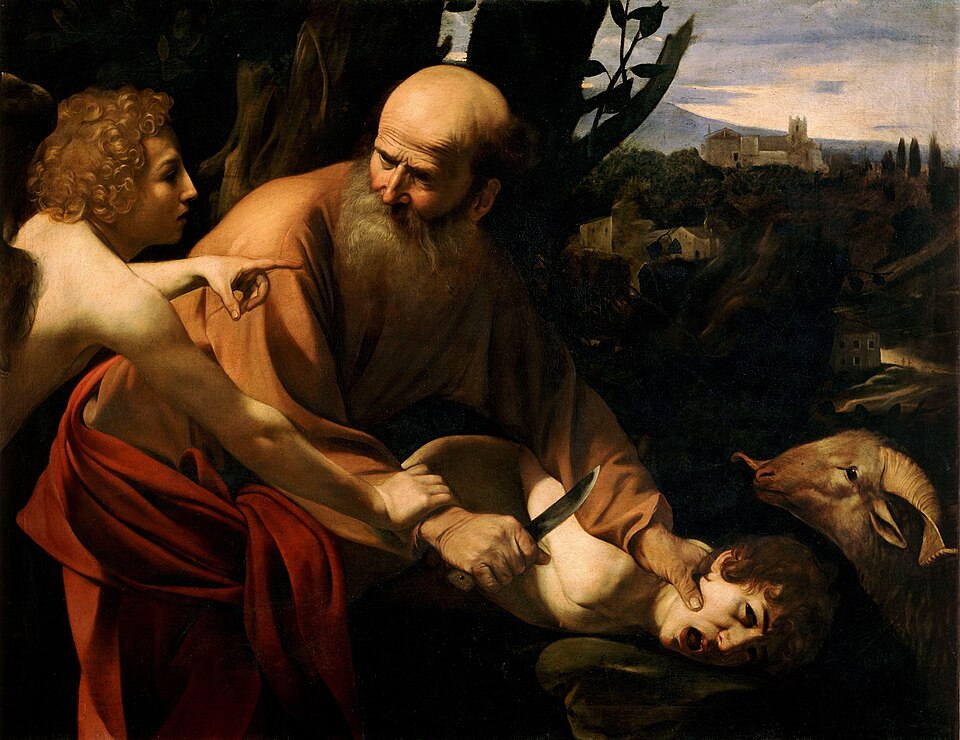
The type · Moriah God tests Abraham: offer "your son, your only son Isaac, whom you love." Isaac carries the wood up the hill; at the last moment a ram is offered instead. "The LORD will provide." Genesis 22:1–14 The fulfilment · Calvary The Father offers "his only Son" — and the knife is not stayed. Jesus carries His own wood up the hill; He is the Lamb God provides. "He... did not spare his own Son." John 3:16; 1:29 · Rom 8:32 · Heb 11:17–19
In one breath: Abraham's only son was spared when a ram was provided; the Father's only Son was not spared, because the Son is the Lamb God provides.
| ||||
| §11 | Joseph → Jesusbetrayed → raised to save themPatristic Devotional | The beloved son is betrayed by his brothers for silver and thrown into a pit. | Raised to a throne, he saves the very brothers who sold him — "you meant evil, God meant good." | |
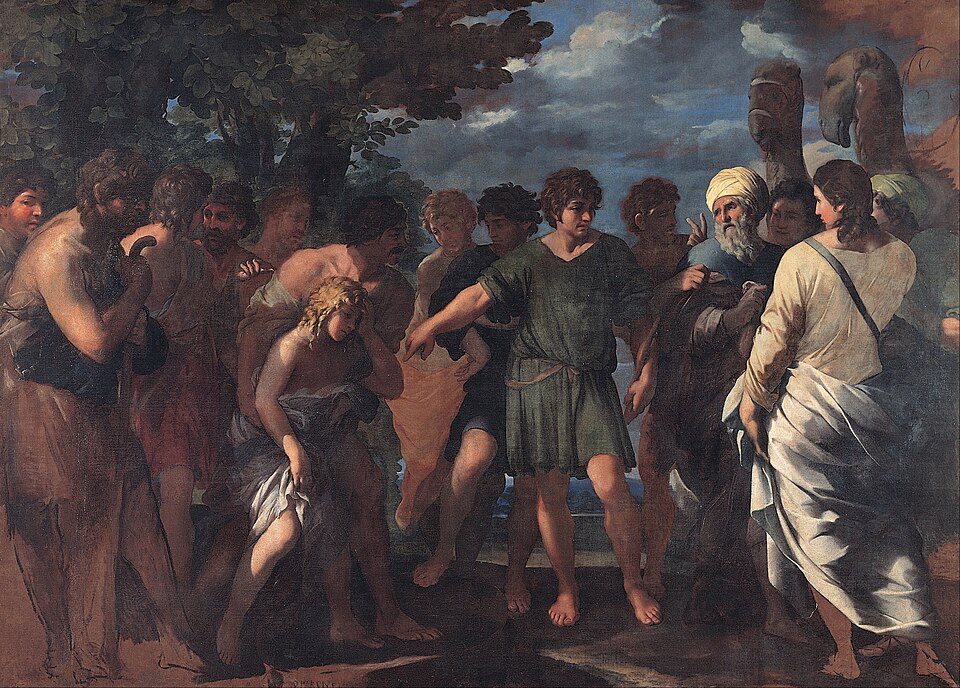
Scripture "You meant evil against me, but God meant it for good... that many people should be kept alive." — Genesis 50:20
In one breath: the beloved son, betrayed for silver and left for dead, rose to a throne and saved the brothers who sold him — the gospel told in advance.
| ||||
| §12 | Passover → Christthe lamb → the Lamb of GodNT | A lamb's blood on the doorposts spares the firstborn from the destroyer. | "Christ our Passover"; His bones unbroken (John 19:36), He shields all marked by His blood. | |
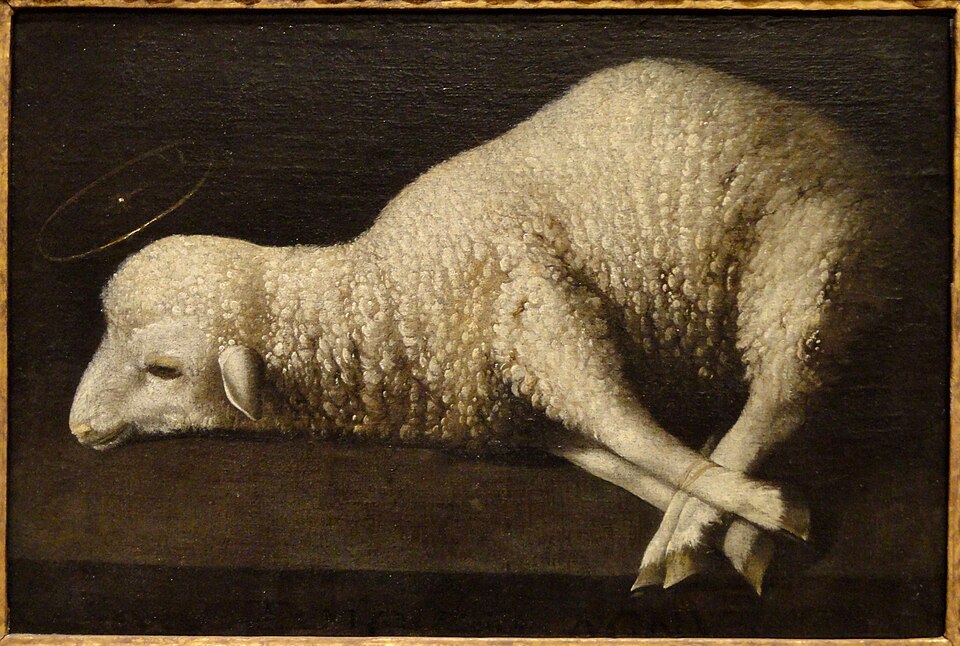
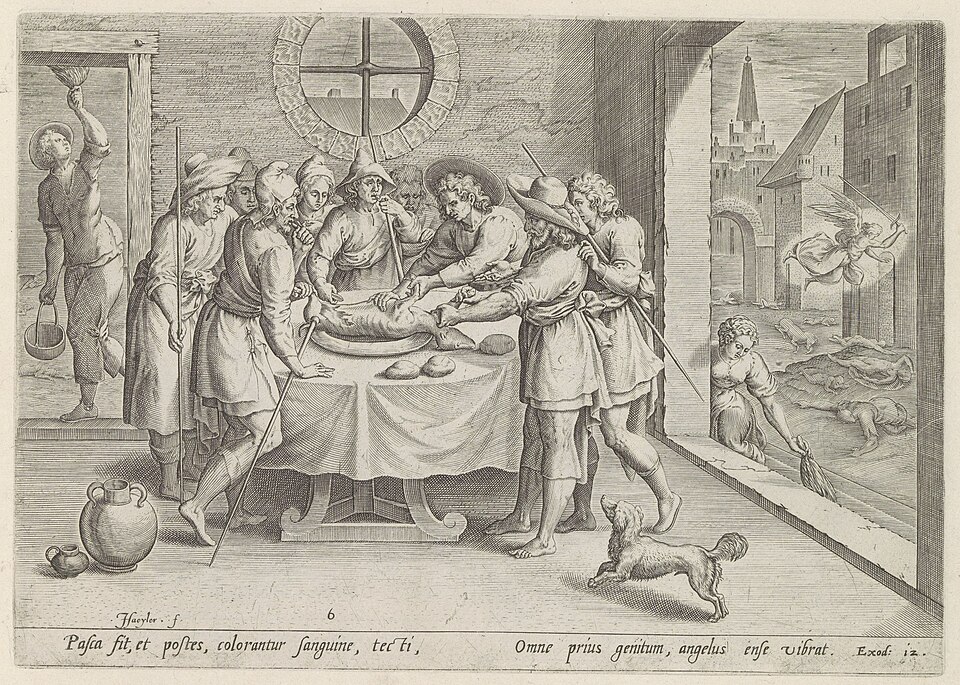
Scripture "For Christ, our Passover lamb, has been sacrificed." — 1 Corinthians 5:7 · "Not one of his bones will be broken." — John 19:36
In one breath: the lamb's blood on the door turned death aside from the firstborn; Christ our Passover, His bones unbroken, turns the second death aside from all who are marked by His blood.
| ||||
| §13 | Sinai → PentecostLaw kills 3,000 → Spirit saves 3,000NT Devotional | The Law given at Sinai → 3,000 die for the golden calf. The letter kills. | The Spirit given at Pentecost → 3,000 are saved. The Spirit gives life. | |
The wound · Sinai Fifty days after the exodus, the Law is given at Sinai. Israel makes the golden calf; that day "about three thousand men" fall under judgment. Ex 19:1; 32:28 · 2 Cor 3:6–7 The healing · Pentecost Fifty days after Christ's Passover, the Spirit is given. Peter preaches, and "about three thousand souls" are baptized and added. Acts 2:1, 41 · 2 Cor 3:6
Honesty flag The 3,000/3,000 parallel is a devotional resonance, not a claim the NT makes. The letter-kills/Spirit-gives-life contrast beneath it, however, is Paul's own argument in 2 Corinthians 3.
In one breath: the Law at Sinai left three thousand dead for the golden calf; the Spirit at Pentecost added three thousand souls — the letter kills, the Spirit gives life.
| ||||
| §14 | Jonah → Christthree days; mercy to enemiesNT | Jonah: three days in the deep; he resents God's mercy to enemy Nineveh. | The Son: three days in the earth; He dies for enemies and is sent to all nations (Matt 12:40). | |
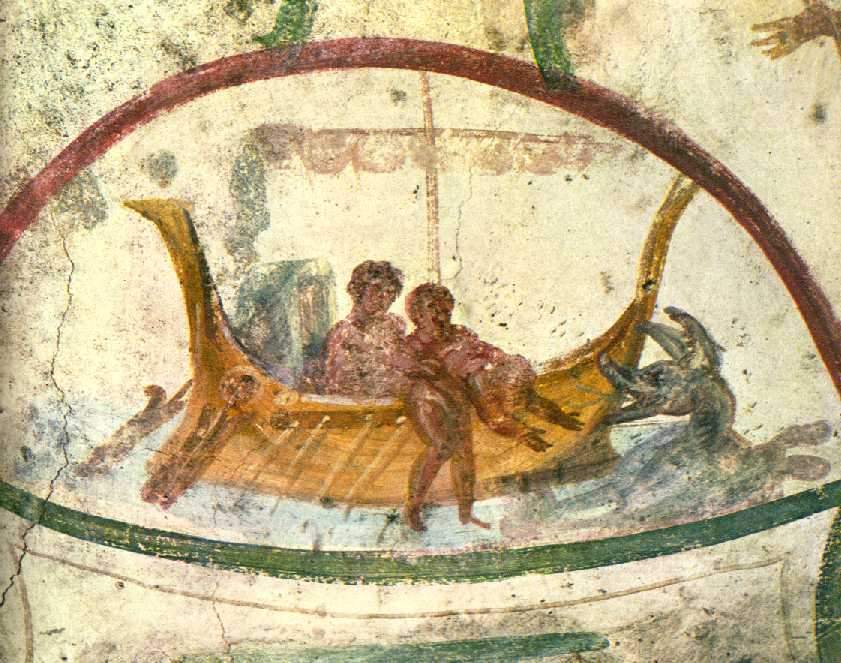
The type · Jonah Jonah flees God's call to enemy Nineveh. Swallowed by a great fish, he spends three days in the deep, is vomited out alive, preaches — and is angry that God shows the city mercy. Jonah 1:1–3; 1:17; 3:1–10; 4:1–11 The fulfilment · Christ Jesus claims "the sign of Jonah": three days "in the heart of the earth." Where Jonah resented mercy to enemies, Christ dies for His enemies and sends the gospel to all nations. Matt 12:38–41; 16:4 · Luke 24:46–47 · Rom 5:8, 10
Scripture "As Jonah was three days and three nights in the belly of the great fish, so will the Son of Man be three days and three nights in the heart of the earth." — Matthew 12:40
In one breath: Jonah went three days into the deep and rose to preach to enemies he despised; the Son went three days into the earth and rose — the willing Savior who dies for His enemies.
| ||||
| §15 | Shorter mirrorsfirstborn · scapegoat · ladder · wombs · redeemerNT Devotional | Dying firstborn · scapegoat driven out · no ladder to heaven · barren wombs · lost inheritance. | Risen Firstborn · Christ "outside the gate" · He is the ladder · the virgin womb · the kinsman-redeemer. | |
In one breath: the dying firstborn, the scapegoat, the ladder, the opened wombs, and the kinsman-redeemer all run the same way — loss in the Old answered by restoration in the New.
| ||||
| §16 | How to read this honestlythe guardrailsMeta | Why the pattern is real and not pattern-matching after the fact — the three firmness tiers, and the discipline that keeps typology faithful rather than fanciful. | ||
The cumulative point No single reversal proves the design by itself. But a wound announced in Genesis 3 and answered, detail by detail, across the whole canon — tree, garden, serpent, curse, blood, firstborn, lamb, three days — by writers separated by centuries who keep pointing back to the same earlier scenes on purpose, is very hard to explain as accident or after-the-fact invention. That is the Great Reversal: the Bible tells one story, and it is the story of a wound healed by the very things that caused it, turned inside out.
Sources & honesty. Scripture is ESV unless noted; verse references are locating anchors, not interpretive proof in themselves. Patristic reference: Irenaeus, Against Heresies III.22.4, V.19.1 (Eve/Mary). The grading tiers are this document's honest classification of how firmly each link stands; where a pattern depends on extra-biblical tradition (the Shavuot–Sinai dating behind §13) or on inference (the "gardener" echo in §4), that is flagged in the text. Images are genuine public-domain artworks pulled from Wikimedia Commons (credits in each caption); none are fabricated.
Published on the GodExamined.com Resources shelf (Featured studies). Part of the God-server deep-proofs corpus. | ||||